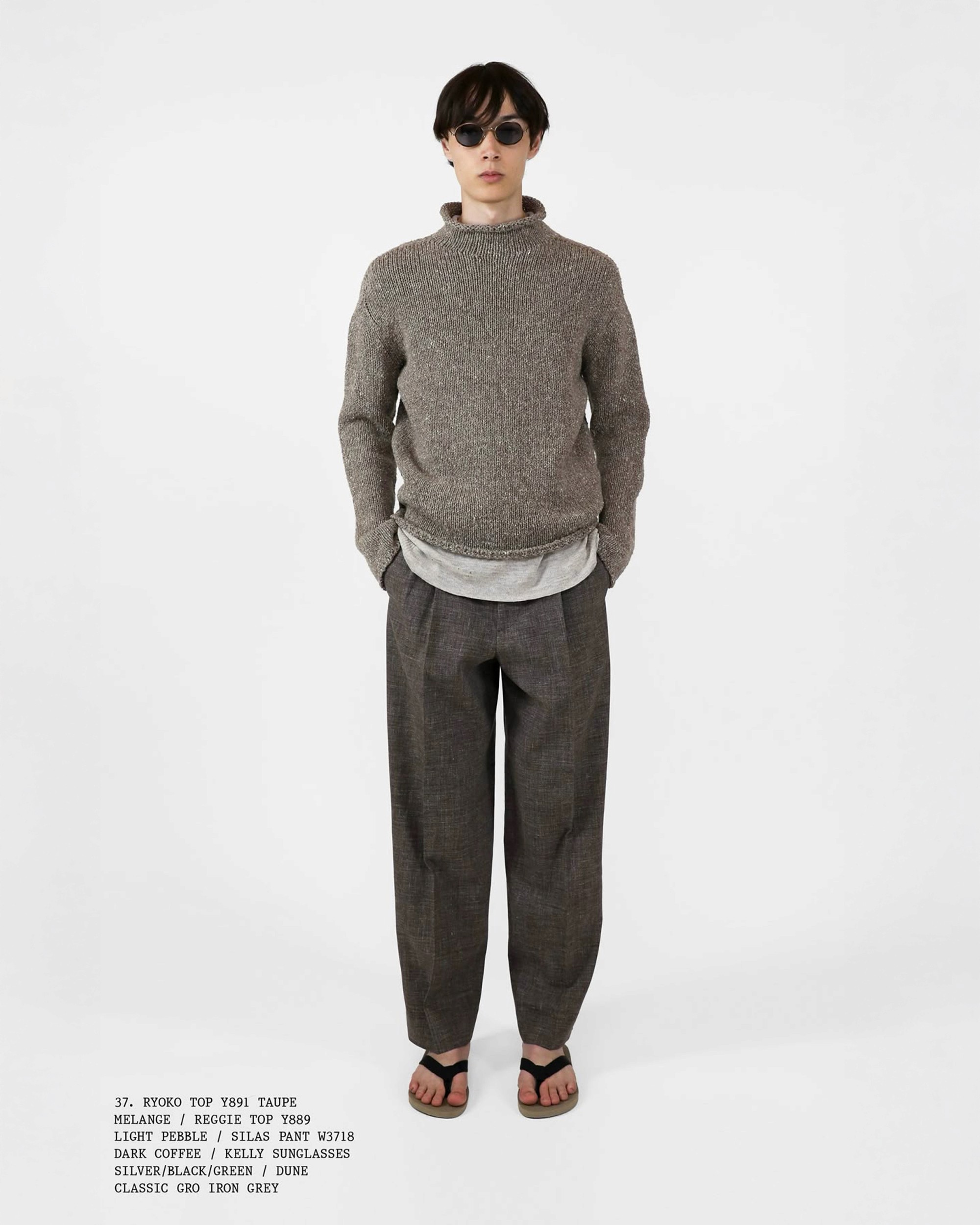





@therow SS25 RTW
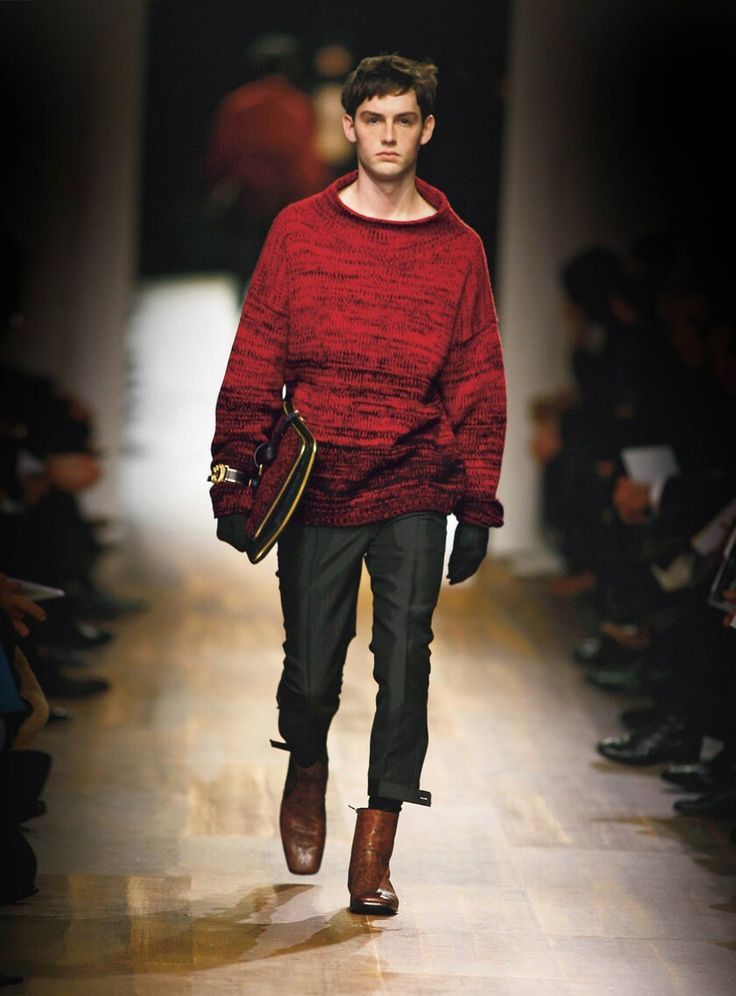
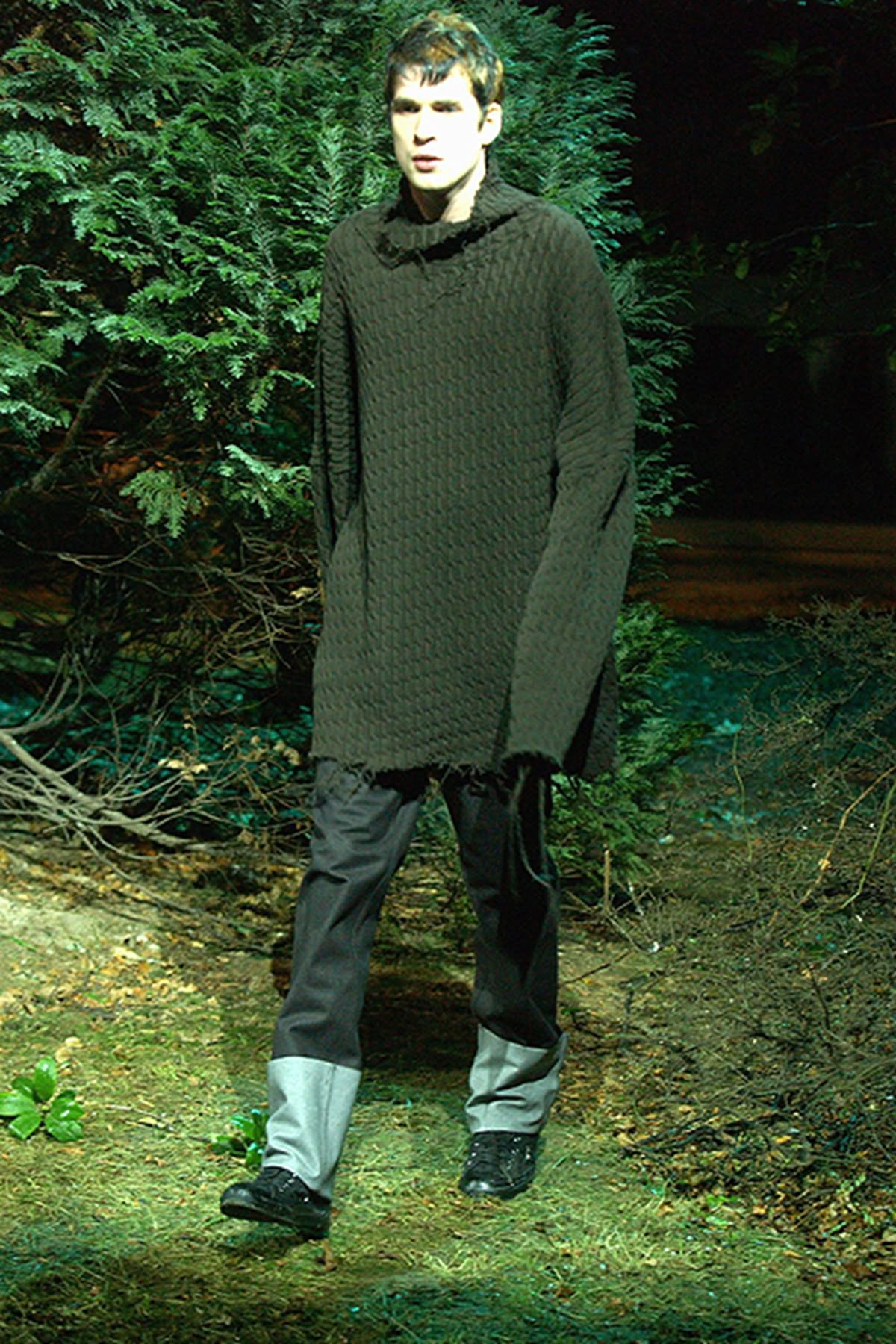
@prada AW06 Menswear
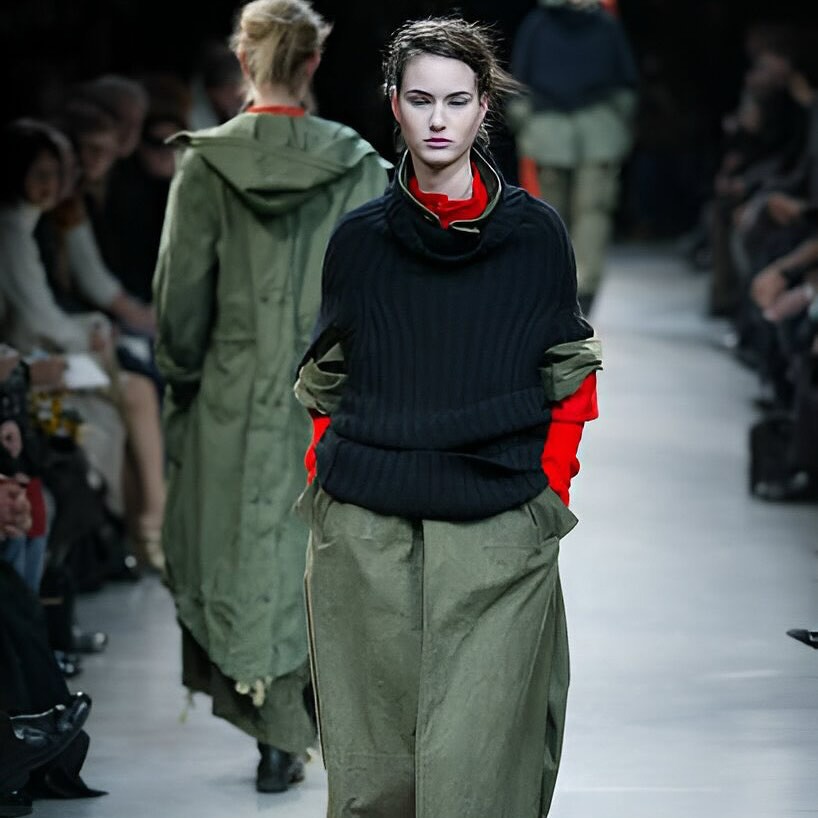
@yohjiyamamotoofficial AW00 Menswear
@rafsimons Fall 2002 Menswear
@dolcegabbana FW99 Menswear
@evankinori
@xeniatelunts
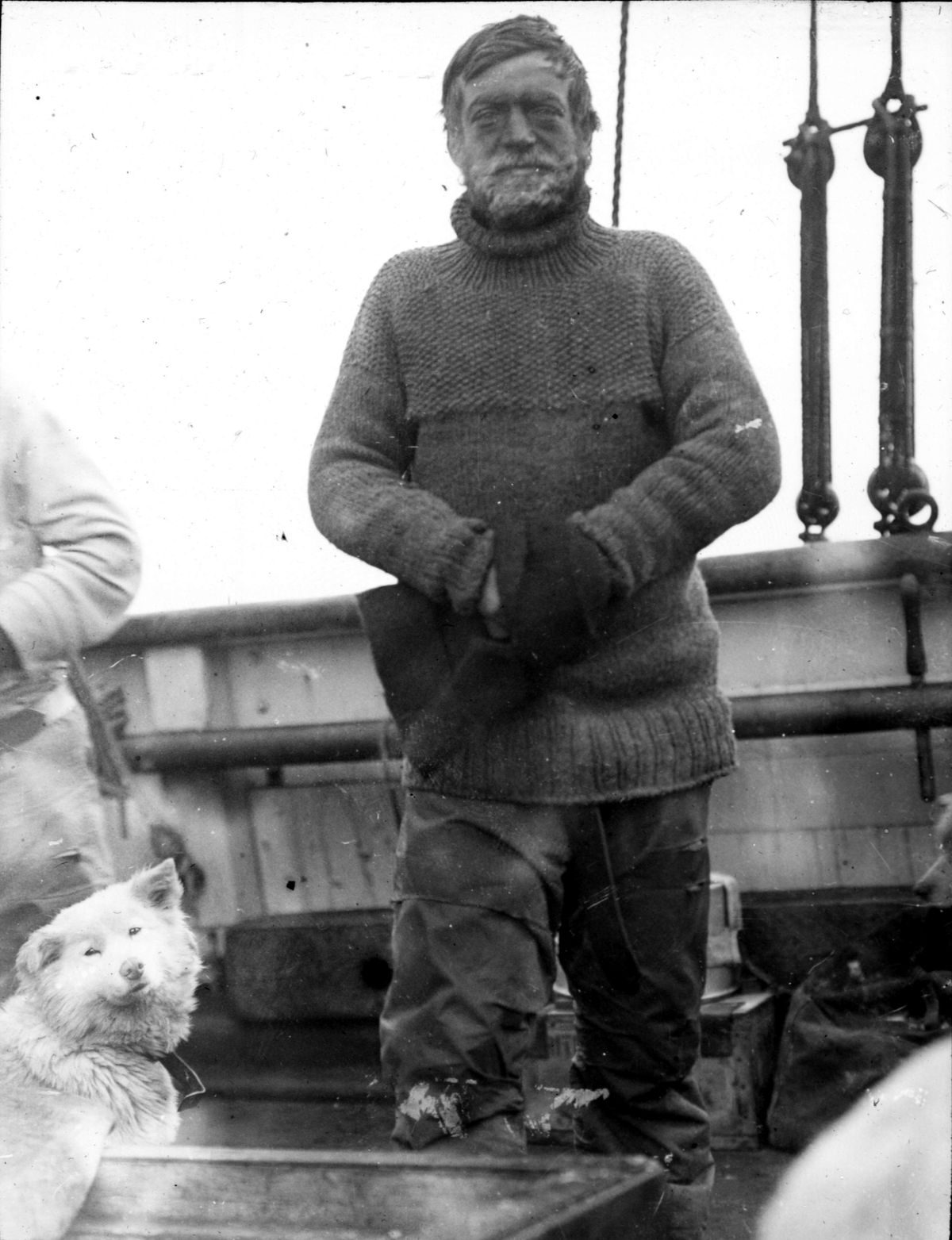
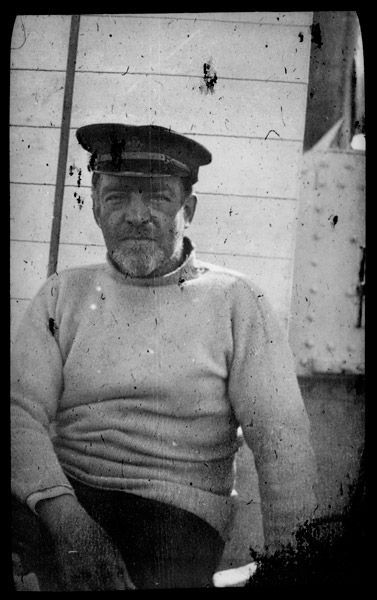
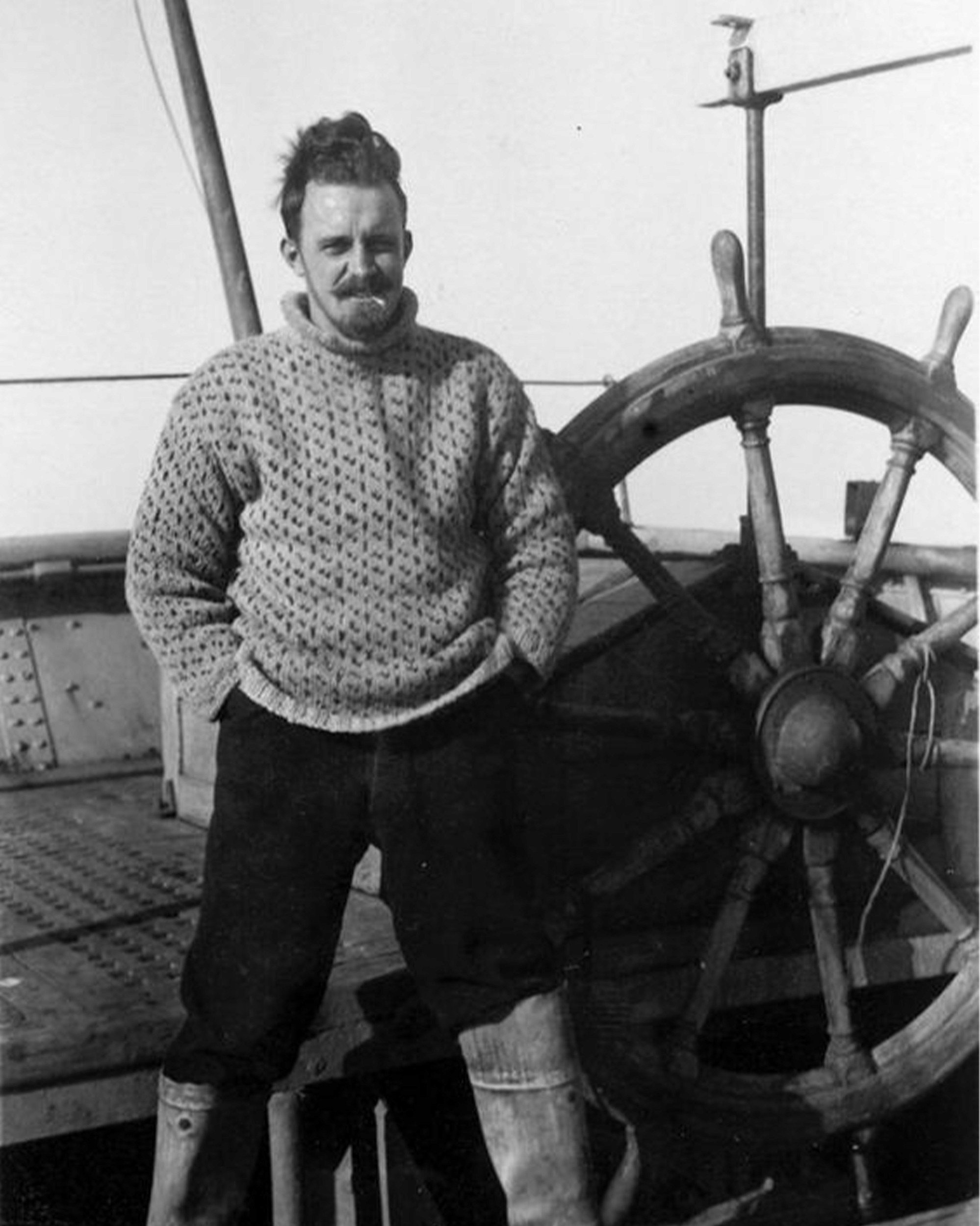
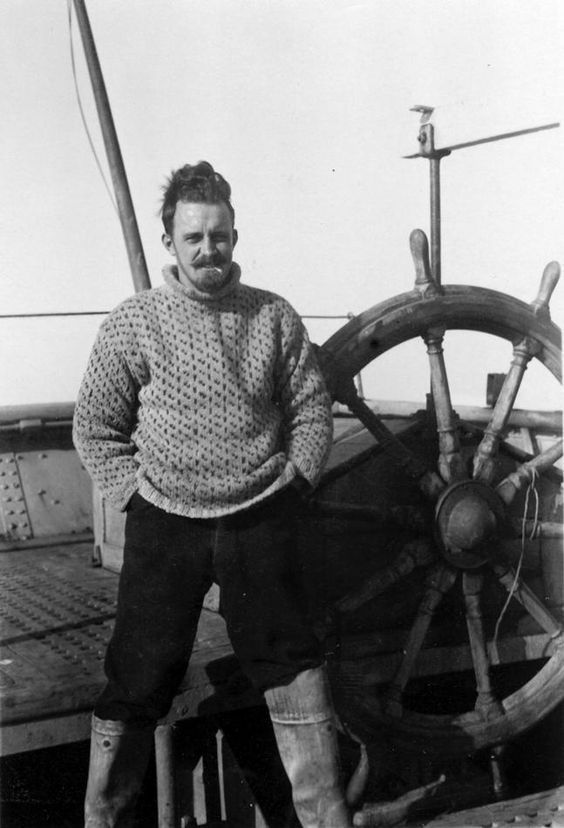
흔히 ‘파머스 니트’라 불리는 농부들의 니트웨어는 약 1880년대–1930년대 유럽 농촌 지역에서 실제로 착용되던 복식으로, 패션을 위한 옷이 아니라 혹독한 환경 속에서 몸을 보호하기 위한 방한장비에 가까웠다.
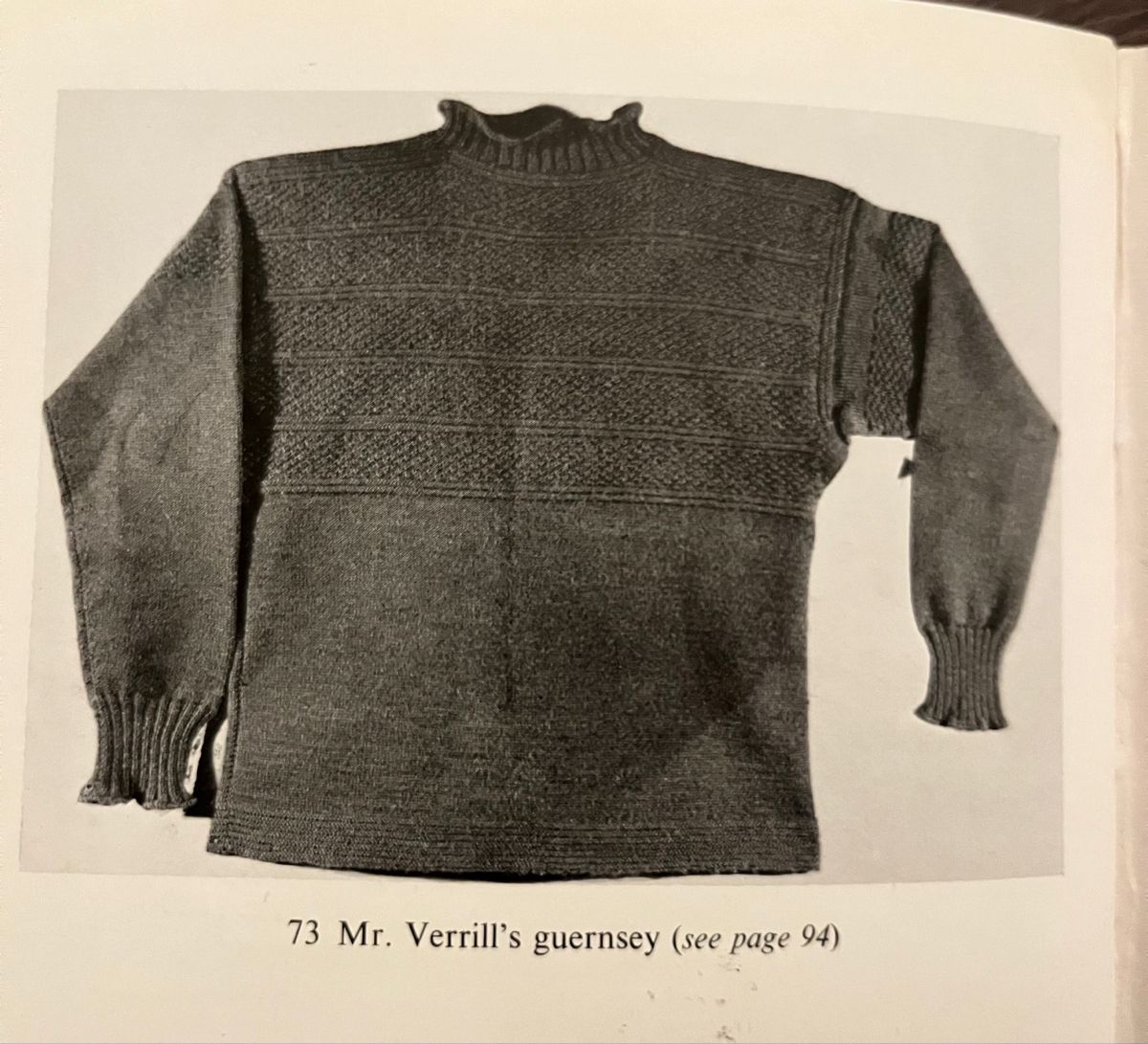
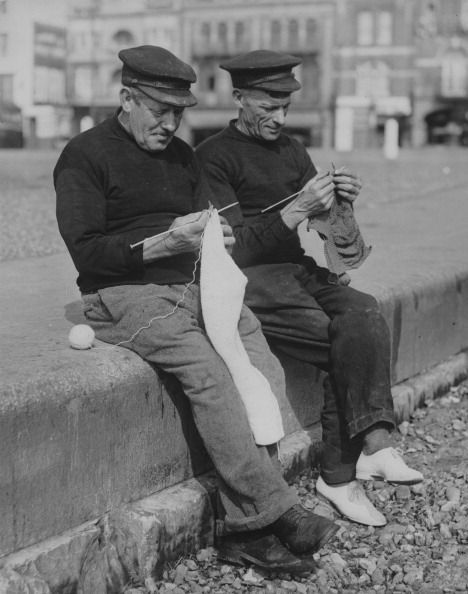
대량 생산 이전, 대부분의 니트는 가정에서 손으로 짜였고, 한 벌의 옷은 여러 해에 걸쳐 입고, 고치고, 다시 사용되는 것이 전제였다. 특히 눈에 띄는 요소는 말려 올라간 넥라인이나 리브 없이 마감된 소매처럼 정리되지 않은 끝단의 형태다. 이는 의도된 디자인이라기보다, 실 소모가 크고 시간이 많이 드는 리브 조직을 피하고, 최소한의 실과 노동으로 완성해야 했던 현실의 반영이었다. 플레인 니트조직으로 마감된 구조는 그렇게 자연스럽게 말리며, 사용자의 움직임과 시간에 따라 형태를 고정시켰다.
오늘날 우리는 이러한 생존 중심의 구조,
따뜻하고 견고하며 오래 입는 것을 전제로 한 태도에서
새로운 매력을 발견한다.
다시금 주목받는 낮은 게이지의 니트 역시,
오랫동안 일상에서 멀어졌던 감각을 다시 바라보게 만든다.
-
“Rough knitwear was never made to be beautiful.
It was made to endure.”
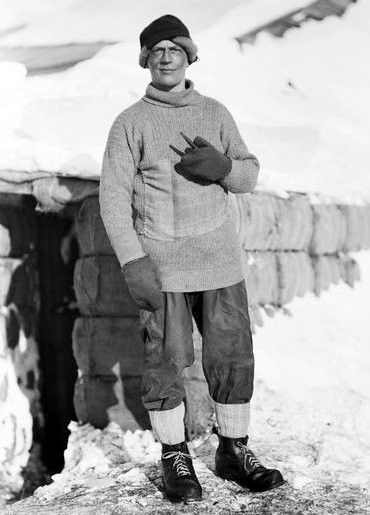
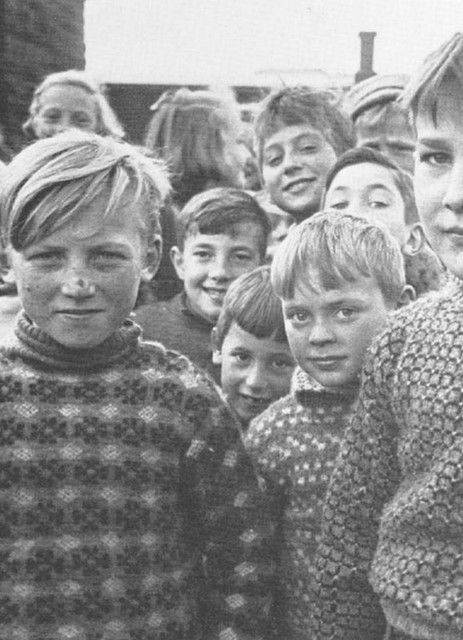
What we commonly refer to as farmer’s knit was worn across rural Europe roughly between the 1880s and the 1930s. These garments were not created for fashion, but for survival—
tools designed to protect the body against harsh climates and long hours of outdoor labor.
Knitwear was understood not as style, but as insulation.
Every element was directly shaped by agricultural life and physical work in open environments. Before mass production, most knits were hand-made at home.
A single garment was expected to be worn for years—
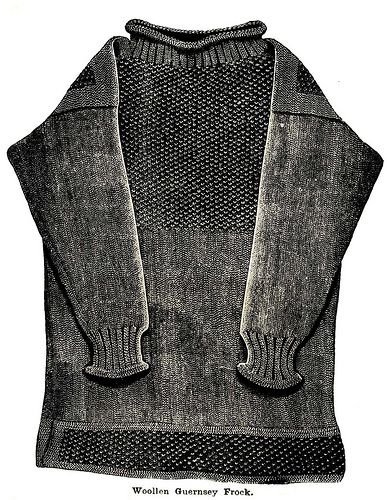
repaired, altered, and reused over time. One of the most defining features lies in its unfinished edges:
rolled necklines, sleeves left without ribbing, endings that appear unresolved.
These details were not aesthetic decisions, but practical ones.
Rib structures consumed more yarn and required more time,
so plain knit constructions became the most efficient solution—
using the least material and labor possible. Finished in simple stockinette, the fabric naturally curled at the edges,
gradually settling into its form through movement, wear, and time.
Today, we find a renewed appeal in this survival-driven logic— in garments designed to be warm, durable, and long-lasting above all else. The return of low-gauge knitwear invites us to reconsider sensibilities that had quietly drifted away from everyday life.
@therow SS25 RTW
@prada AW06 Menswear
@yohjiyamamotoofficial AW00 Menswear
@rafsimons Fall 2002 Menswear
@dolcegabbana FW99 Menswear
@evankinori
@xeniatelunts
흔히 ‘파머스 니트’라 불리는 농부들의 니트웨어는 약 1880년대–1930년대 유럽 농촌 지역에서 실제로 착용되던 복식으로, 패션을 위한 옷이 아니라 혹독한 환경 속에서 몸을 보호하기 위한 방한장비에 가까웠다.
대량 생산 이전, 대부분의 니트는 가정에서 손으로 짜였고, 한 벌의 옷은 여러 해에 걸쳐 입고, 고치고, 다시 사용되는 것이 전제였다. 특히 눈에 띄는 요소는 말려 올라간 넥라인이나 리브 없이 마감된 소매처럼 정리되지 않은 끝단의 형태다. 이는 의도된 디자인이라기보다, 실 소모가 크고 시간이 많이 드는 리브 조직을 피하고, 최소한의 실과 노동으로 완성해야 했던 현실의 반영이었다. 플레인 니트조직으로 마감된 구조는 그렇게 자연스럽게 말리며, 사용자의 움직임과 시간에 따라 형태를 고정시켰다.
오늘날 우리는 이러한 생존 중심의 구조,
따뜻하고 견고하며 오래 입는 것을 전제로 한 태도에서
새로운 매력을 발견한다.
다시금 주목받는 낮은 게이지의 니트 역시,
오랫동안 일상에서 멀어졌던 감각을 다시 바라보게 만든다.
-
“Rough knitwear was never made to be beautiful.
It was made to endure.”
What we commonly refer to as farmer’s knit was worn across rural Europe roughly between the 1880s and the 1930s. These garments were not created for fashion, but for survival—
tools designed to protect the body against harsh climates and long hours of outdoor labor.
Knitwear was understood not as style, but as insulation.
Every element was directly shaped by agricultural life and physical work in open environments. Before mass production, most knits were hand-made at home.
A single garment was expected to be worn for years—
repaired, altered, and reused over time. One of the most defining features lies in its unfinished edges:
rolled necklines, sleeves left without ribbing, endings that appear unresolved.
These details were not aesthetic decisions, but practical ones.
Rib structures consumed more yarn and required more time,
so plain knit constructions became the most efficient solution—
using the least material and labor possible. Finished in simple stockinette, the fabric naturally curled at the edges,
gradually settling into its form through movement, wear, and time.
Today, we find a renewed appeal in this survival-driven logic— in garments designed to be warm, durable, and long-lasting above all else. The return of low-gauge knitwear invites us to reconsider sensibilities that had quietly drifted away from everyday life.